-
 +91 7889317800
 -

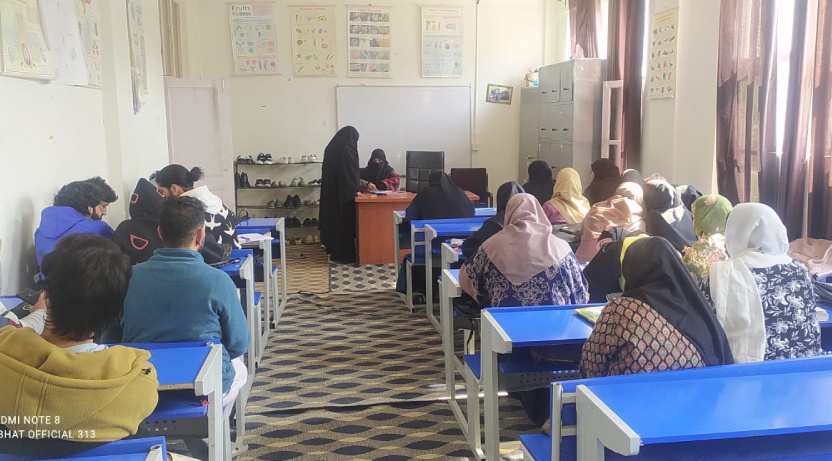
The Horticulture Trade at Government ITI Shopian equips trainees with practical and technical skills in fruit cultivation, vegetable production, floriculture, nursery management, landscaping, plant protection, and modern horticultural practices. The course emphasizes sustainable agricultural techniques, orchard management, soil health, irrigation systems, pest and disease control, post-harvest management, and entrepreneurship development. Graduates can pursue opportunities in government departments, private horticulture enterprises, agribusiness sectors, or establish their own horticulture ventures.
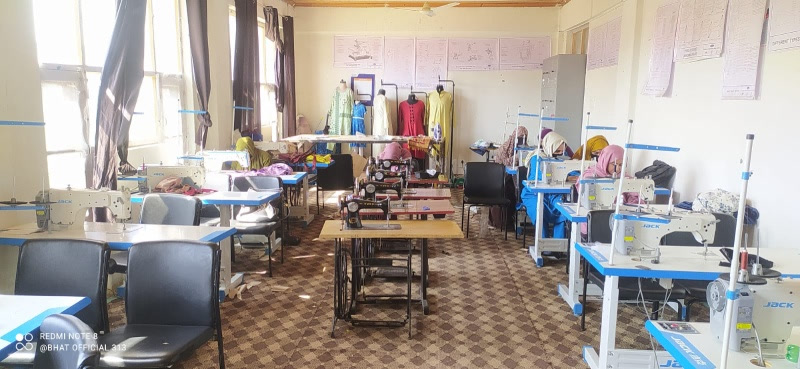
The Sewing Technology Trade is a practical vocational course designed to develop skills in garment construction, pattern making, fabric cutting, industrial sewing, and basic fashion design. Trainees receive hands-on training in modern sewing techniques and apparel production processes. The trade prepares students for employment in garment manufacturing industries or for establishing their own tailoring, boutique, and fashion design businesses.
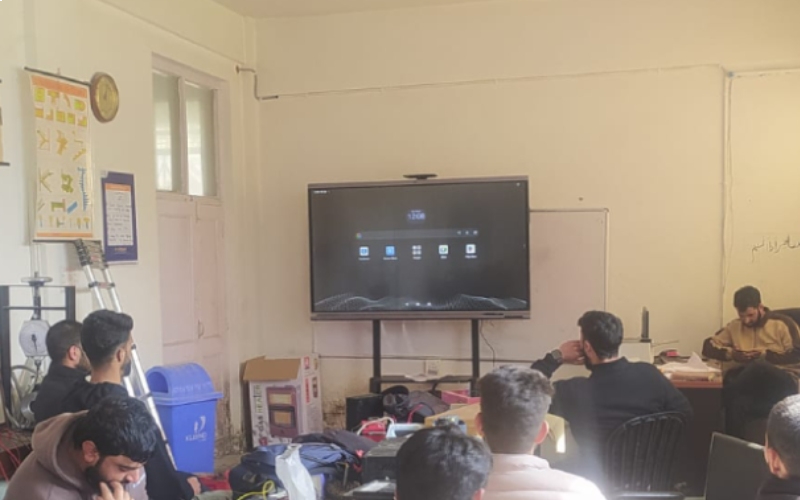
The Electrician trade is one of the most important vocational trades that deals with the generation, transmission, distribution, and utilization of electrical energy. It provides trainees with knowledge and practical skills in electrical wiring, installation, maintenance, repair, and testing of electrical equipment and systems. The trade also emphasizes electrical safety, use of tools and instruments, and troubleshooting techniques. Electricians play a vital role in domestic, commercial, and industrial sectors by ensuring the safe and efficient operation of electrical installations. This trade offers excellent employment opportunities as well as prospects for self-employment in the electrical field.
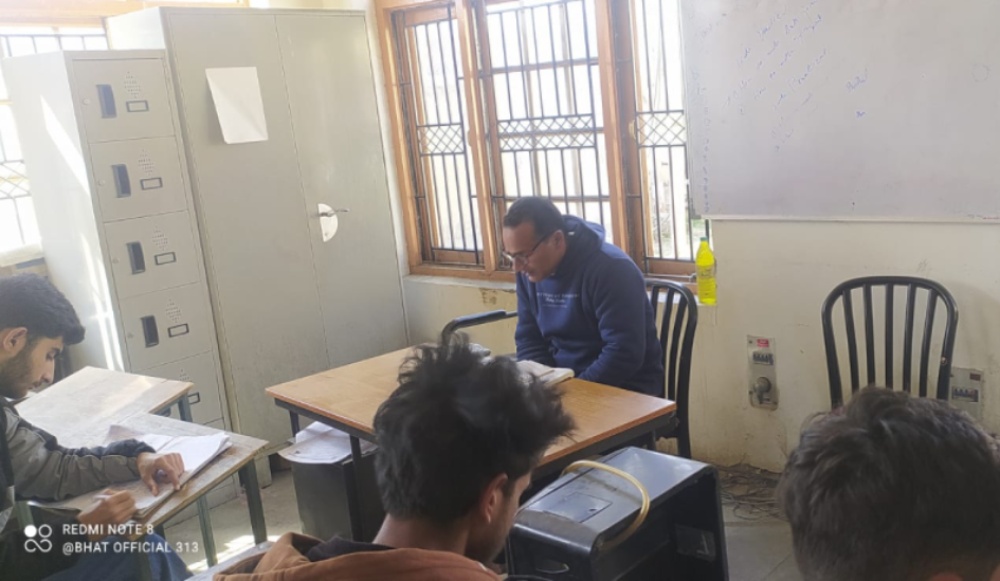
The Welder Trade develops the technical skills required for joining, cutting, and repairing metal components using various welding techniques. Trainees receive practical training in Arc Welding, Gas Welding, MIG Welding, TIG Welding, Gas Cutting, Metal Fabrication, Engineering Drawing, and Workshop Safety. The trade offers strong employment prospects in manufacturing industries, construction projects, automotive sectors, and fabrication workshops.
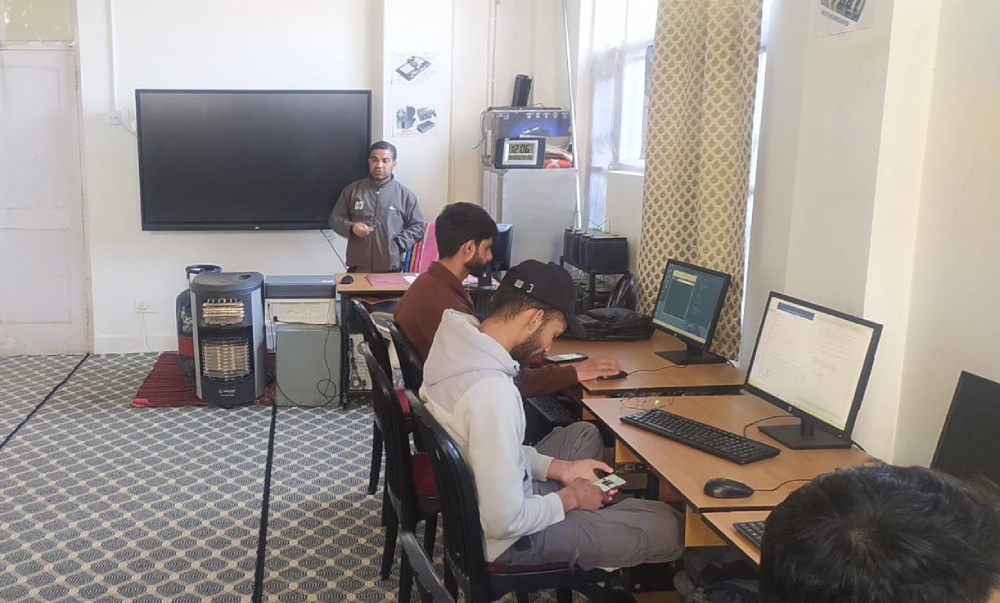
The COPA Trade is a modern skill-based program that provides training in computer operations, office automation, internet applications, programming fundamentals, database management, and digital technologies. The course enhances practical computer proficiency and prepares students for careers in IT-enabled services, government offices, business organizations, and the growing digital economy.
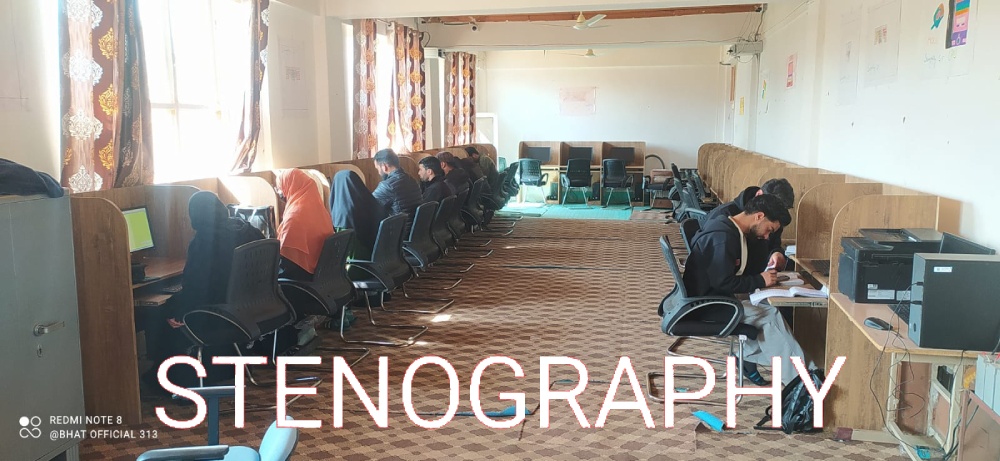
The Stenography Trade develops professional shorthand and typing skills essential for recording spoken information accurately and efficiently. Trainees learn shorthand writing, transcription, office procedures, computer applications, and communication skills. Stenography is widely used in courts, legislative assemblies, government offices, corporate sectors, media organizations, and cybersecurity documentation. The trade enables students to transcribe speech at high speeds while maintaining accuracy and confidentiality.
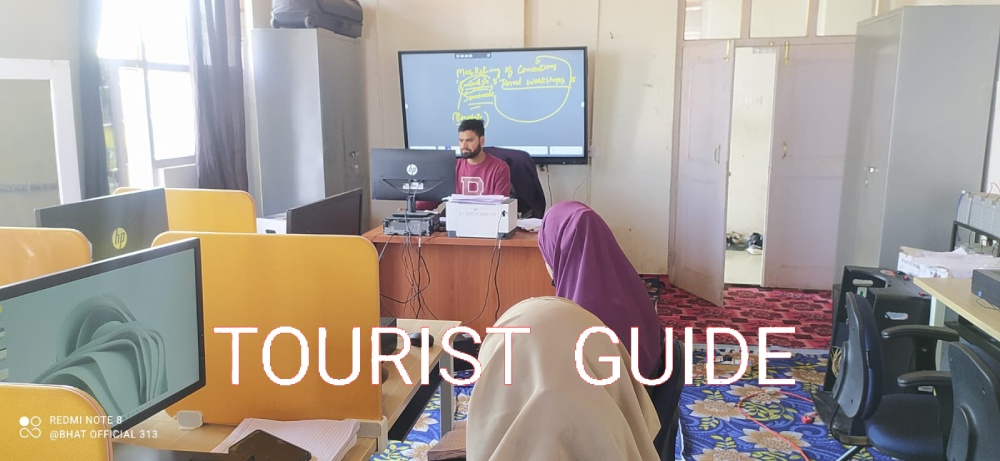
The Tourist Guide Trade prepares students to become professional guides and tourism service providers. The course covers tourism management, communication skills, travel documentation, cultural heritage interpretation, customer service, and destination promotion. Trainees are equipped to work in the tourism and hospitality sector or establish independent guiding and tour operation services, contributing to the promotion of local tourism and heritage.
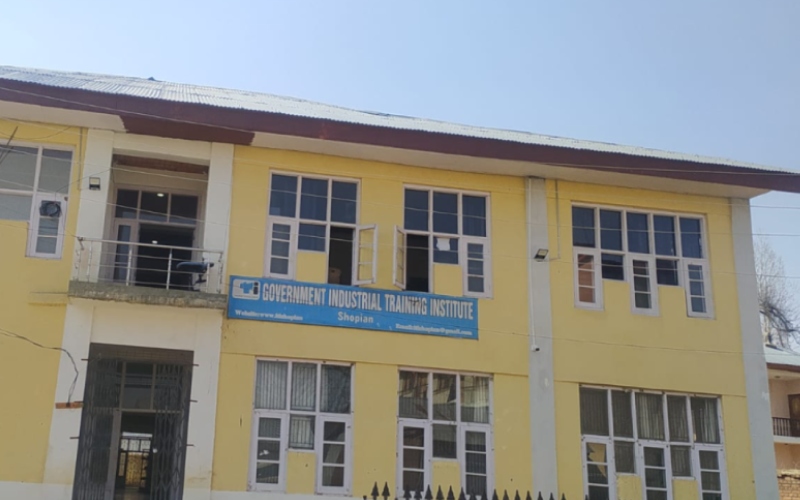
The Mechanic Motor Vehicle (MMV) trade is a two-year vocational training programme designed to equip trainees with the knowledge and practical skills required for the modern automotive industry. The course focuses on the maintenance, servicing, diagnosis, and repair of petrol and diesel vehicles, preparing trainees for employment in automobile workshops, service centers, dealerships, and related industries.
The curriculum provides comprehensive training in the maintenance and overhauling of petrol and diesel engines, transmission and steering systems, and Heating, Ventilation, and Air Conditioning (HVAC) systems. Trainees are also introduced to vehicle diagnostics, fault detection, and troubleshooting techniques for Bharat Stage II to Bharat Stage VI vehicles using modern scanning and diagnostic equipment.
In addition to technical skills, the programme covers traffic rules, provisions of the Motor Vehicles Act, and safe driving practices, enabling trainees to develop a strong understanding of road safety and regulatory compliance.
Upon successful completion of the course, trainees possess the competencies required to perform vehicle servicing, repair, diagnostics, and maintenance using contemporary automotive technologies, making them industry-ready professionals capable of meeting the evolving demands of the transportation and automobile sectors.